
The question is, what is the weakest part of a roof? often pops up after a homeowner spots water stains or peeling paint creeping across their ceiling. I’ve spent years inspecting and cleaning all sorts of roofing systems around Melbourne, and I can tell you that the weakest point isn’t always right where you think it is.
More often than not, it’s not the tiles or panels that fail first – it’s the flashing strips, ridge caps or roof valleys quietly letting water in before anyone even spots a problem. At Window Cleaning Melbourne Crew, we get to see firsthand how Melbourne’s wild weather and UV exposure can slowly start to take its toll on every roof type in Melbourne, from gable roofs to flat commercial buildings. Let’s get down to brass tacks and look at which roof components need a bit of TLC – and how doing some regular roof maintenance will stop costly repairs from stacking up down the line.
Figuring Out Roof Weak Spots
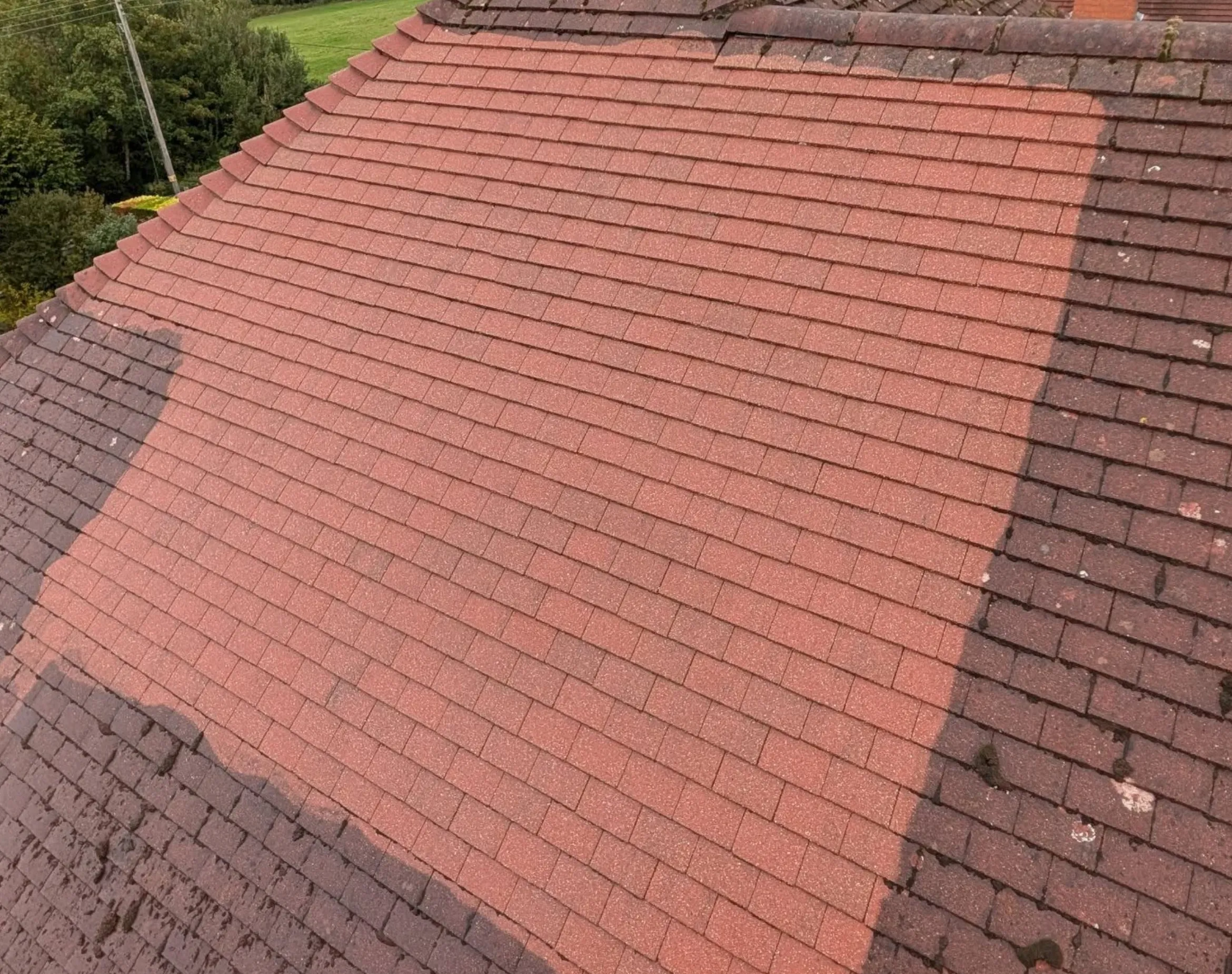
Every roof has a few areas that are more prone to stress, weather and water getting in than the rest. These weak points usually overlap with the most complicated bits of the roof design – valleys, flashing, penetrations and the ridge line.
If you don’t do some regular roof maintenance, small cracks in tiles, blocked drains, or falling behind on your sealant can turn into major issues like structural damage or mould growth in no time.
Roof Valleys: Where Water Loves to Hang Around
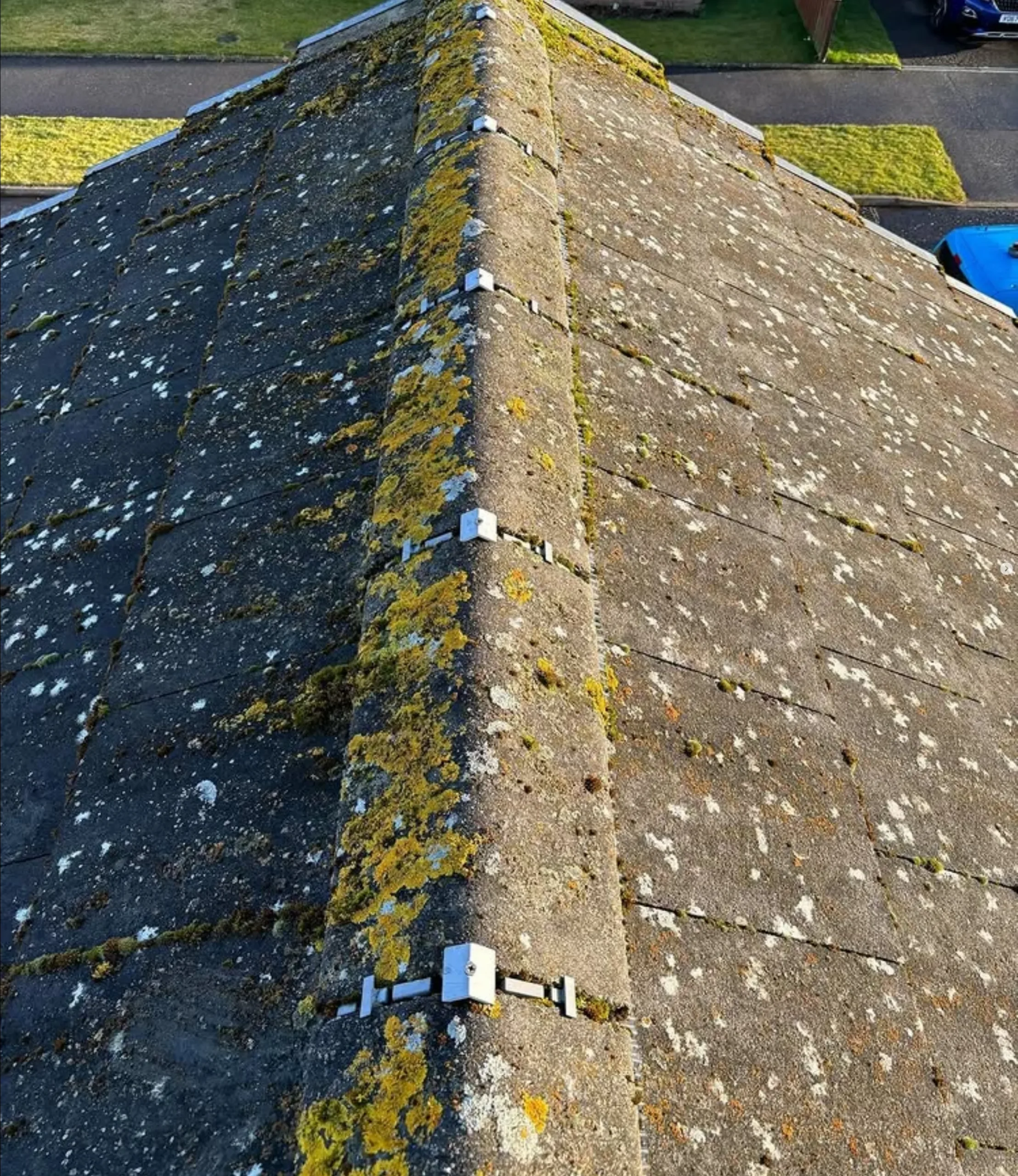
Roof valleys – the channels where two slopes of the roof meet – handle some serious water runoff. When we get a storm, they collect all sorts of debris and slow down drainage, which can lead to corrosion or leaks.
Typical causes: Leafy debris, crummy flashing, or sagging roof tiles.
Early warning signs: Dark streaks, damp spots on your ceiling, or moss building up along the valley line.
Prevention tip: Book a professional inspection each autumn and spring to clear out the debris before Melbourne’s wet season hits and causes any damage.
At Window Cleaning Melbourne Crew, we often do gutter cleaning and colorbond roof cleaning in Melbourne as a package to clear out the roof valleys and prevent pool water from eating away at the protective coatings.
Flashing Strips: A Big Job for a Little Metal
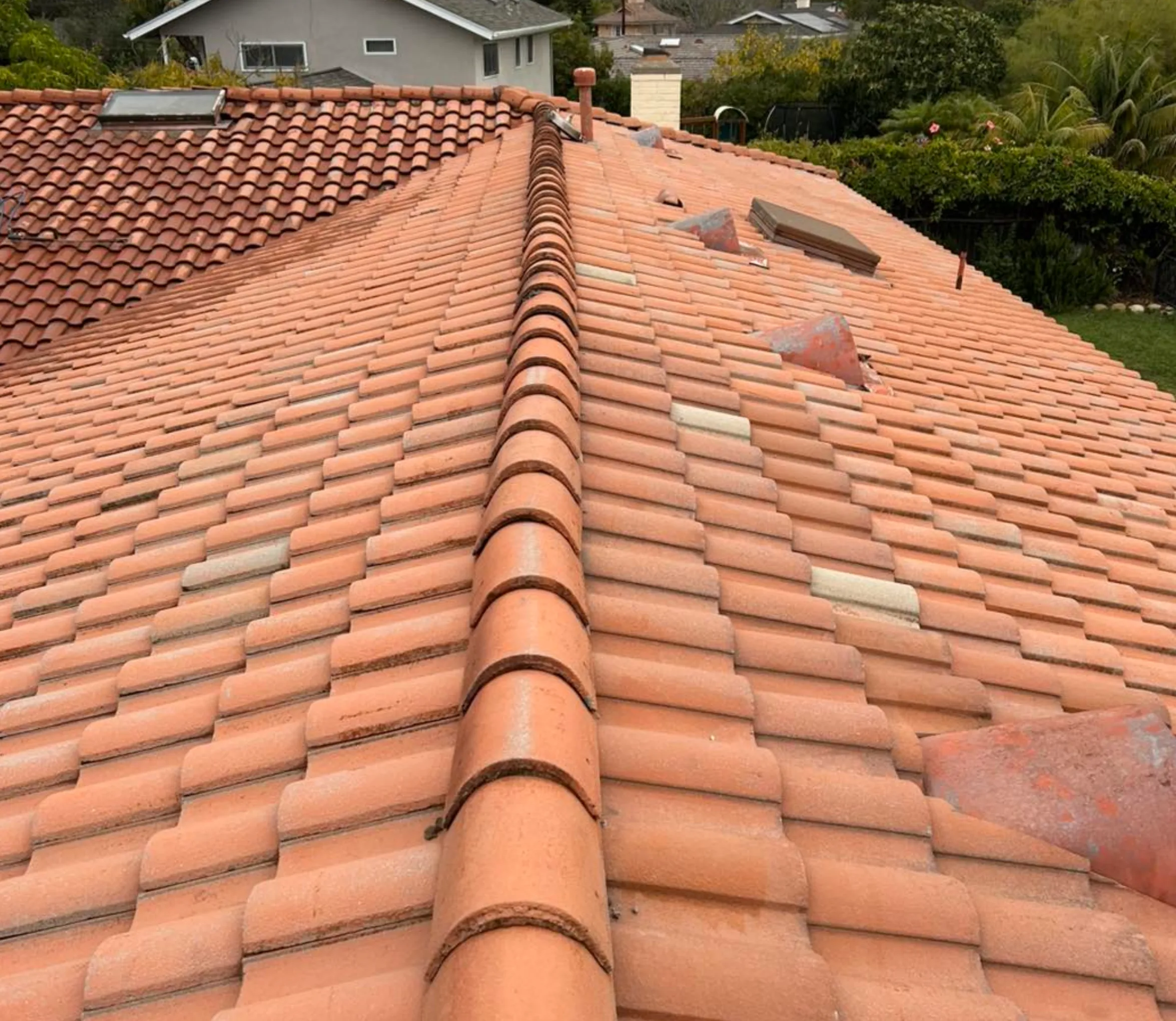
Flashing strips seal off the joints where roof materials meet – around skylights, chimneys and walls. They’re a thin metal sheet (usually aluminium or steel) and a crucial part of keeping water out, but they also tend to deteriorate pretty quickly under harsh weather conditions.
When the sealant starts to crack, the metal begins to rust, or the flashing becomes loose, you can experience slow water infiltration. Before you know it, water is getting in behind the cladding materials and into the entire building envelope.
Look out for: Bubbling paint, damp patches around window frames or that musty smell near ceilings.
Professional fix: Re-seal the flashing with some good-quality UV-resistant silicone or replace the corroded bits before water starts spreading to the internal insulation or plasterboard ceiling.
Safety note: Be careful with flashing repairs – if you do it yourself and don’t get it right, you can make the problem worse. Call in a pro.
Gutters, Fascia Boards and The Drainage System
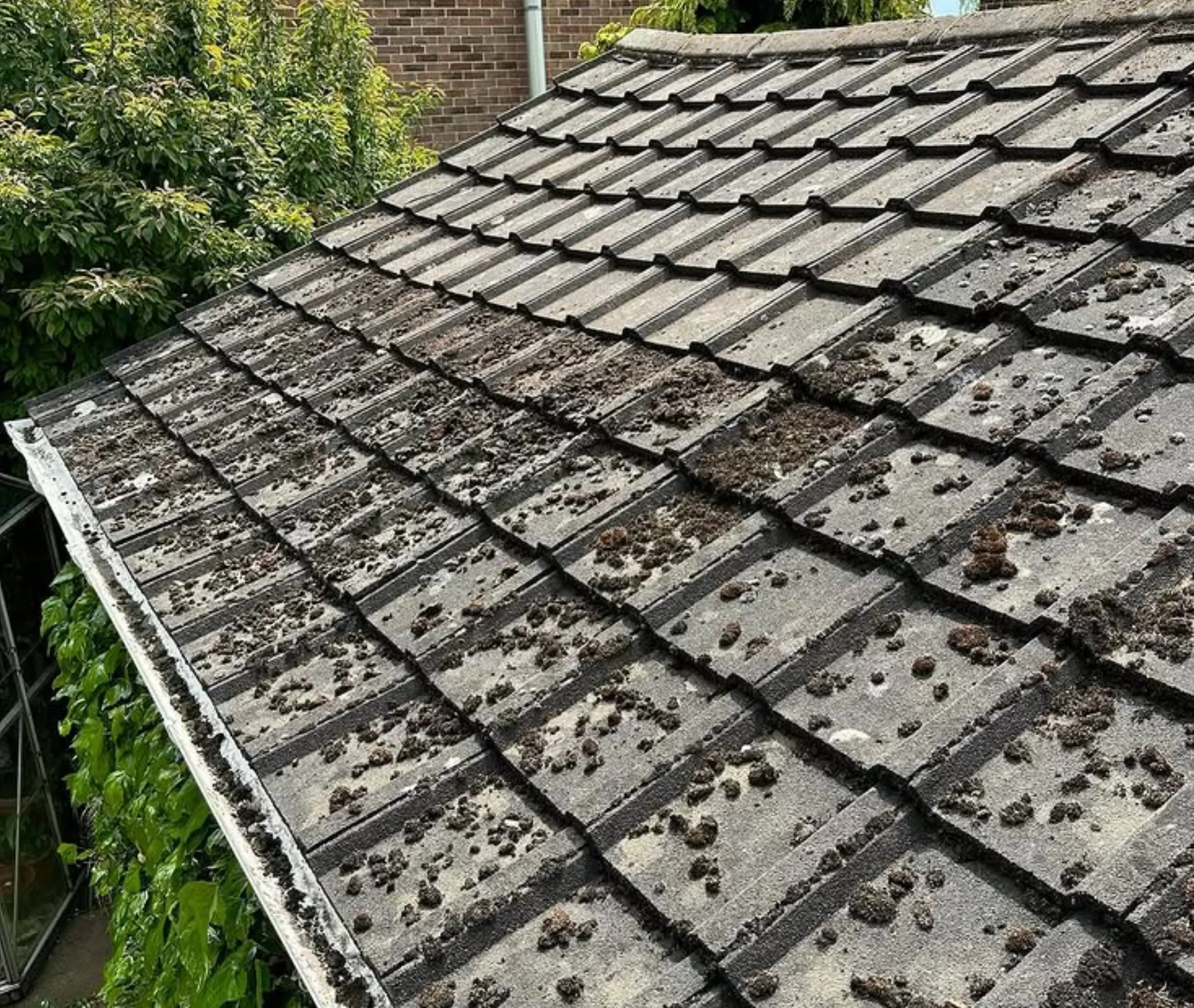
Gutters and fascia boards are basically the lifeblood of your roof’s water drainage system. And when they get clogged, they go from being protective to downright destructive – sending all that stormwater right back up towards the roofline and walls.
Some common problems we see are: Gutter leaks, loose gutter guards and just general overflow during heavy rain.
It all comes down to: Leaves, nesting debris and corroded joints making it hard for water to run off.
But the result is just: Water pooling at the eaves, seeping into the fascia boards, and eventually causing some serious long-term damage.
We know that Melbourne’s got plenty of tree-lined suburbs – especially around Eltham, Surrey Hills and Blackburn – which makes for a lot of organic debris. And we reckon a simple, clean, and gutter inspection every six months could save homeowners thousands in water damage repairs. And since most of the companies in our book include gutter cleaning in their overall roof cleaning cost, it’s a good idea to bundle services and protect the whole drainage system.
The Ridge Line: A Hidden Weak Point
The ridge line – where the two roof slopes meet at the top – is a bit of a sneaky weakness. Cracked ridge tiles or ridge caps that are shifting expose the underlying mortar to moisture.
When temperatures swing wildly between hot and cold, the mortar joints expand and contract, gradually allowing water to seep in through small fissures.
Yearly Maintenance:
- Take a close look at your ridge caps for any cracks or lifted tiles every year.
- Repoint every 8–10 years, depending on the age of your roof and its exposure to the elements.
- If you’ve got a Colorbond or concrete tile roof, consider applying a flexible pointing compound to give it a bit longer life.
A ridge cap repair is gonna cost you a few hundred dollars – a small price to pay compared to the thousands you’ll need to shell out for a full roof leak repair that’s been left to its own devices.
Roof Penetrations: Every Hole Is A Leak Waiting To Happen
Every time you’ve got a vent, pipe or skylight poking a hole in your roof, you’re adding another chance for leaks to slip in. Over time, the rubber collars and plumbing vent boots just crack under the UV exposure. Before you know it, you’ve got slow, hidden leaks that are causing moisture damage in your roof cavity – and you might not even know it’s happening.
High-Risk Elements To Keep an Eye On:
- HVAC units and soffit vents – especially on commercial roofs.
- Plumbing vent boots and rubber collars that’ve been around for ages.
- Membrane seams on single-ply membrane roofing systems – we’ve seen these ones cause a fair bit of trouble in the past.
We had a case where we did a commercial roof inspection in Docklands and found that the deteriorated step flashing around the HVAC penetrations was letting water in behind the insulation and causing all sorts of problems – including mould formation across 60 square metres.
Our Pro Tip: Make sure to swap out the rubber boots every 5–7 years and keep an eye on your parapet walls and membrane seams for early cracks – inspect them at least once a year.
Material Matters: Not All Systems Age Equally
Each type of roof in Melbourne’s mix of old and new homes has unique weak spots:
| Material | Primary Weak Point | Typical Lifespan | Extra Maintenance Needed |
|---|---|---|---|
| Terracotta Roof Tiles | Cracked edges, moss growth | 50–70 years | Gentle cleaning & resealing |
| Concrete Tiles | Fading, brittle surfaces | 40–60 years | Regular recoating |
| Colorbond Steel | Scratches, edge corrosion | 30–45 years | Annual soft wash |
| Single-Ply Membrane (Commercial) | Separated seams | 20–30 years | Routine inspection of seams & HVAC units |
| Flat Roofs | Poor water drainage | 25–40 years | Regular debris removal & slope checks |
When the Weather Turns Against You
Melbourne’s climate is as changeable as it is beautiful, making roof maintenance an ongoing challenge all year round. All too often, we see homeowners caught out by sudden rain after a long dry spell, only to discover weaknesses they never even knew existed.
Local weather hazards include:
- UV light exposure: which always manages to find a way to degrade sealants and rubber bases.
- High humidity: which in turn encourages the growth of moss and algae on your roof.
- Storm damage: which can be particularly nasty, lifting ridge caps and getting water to penetrate flashing.
- Coastal salt: which eats away at metal flashing and screws, causing all sorts of problems.
So after a storm, it’s a good idea to get a professional in to do an inspection, to catch any hidden leaks before they become major problems. If you wait until you notice water damage, it’s often too late – the water may have already weakened insulation and plasterboard, which may need replacing.
On the plus side, a professional roof clean after a storm gives you a chance to assess the overall health of your roof while getting the cleaning and inspection bundled together into one manageable roof cleaning cost.
DIY Checks Versus Professional Inspections
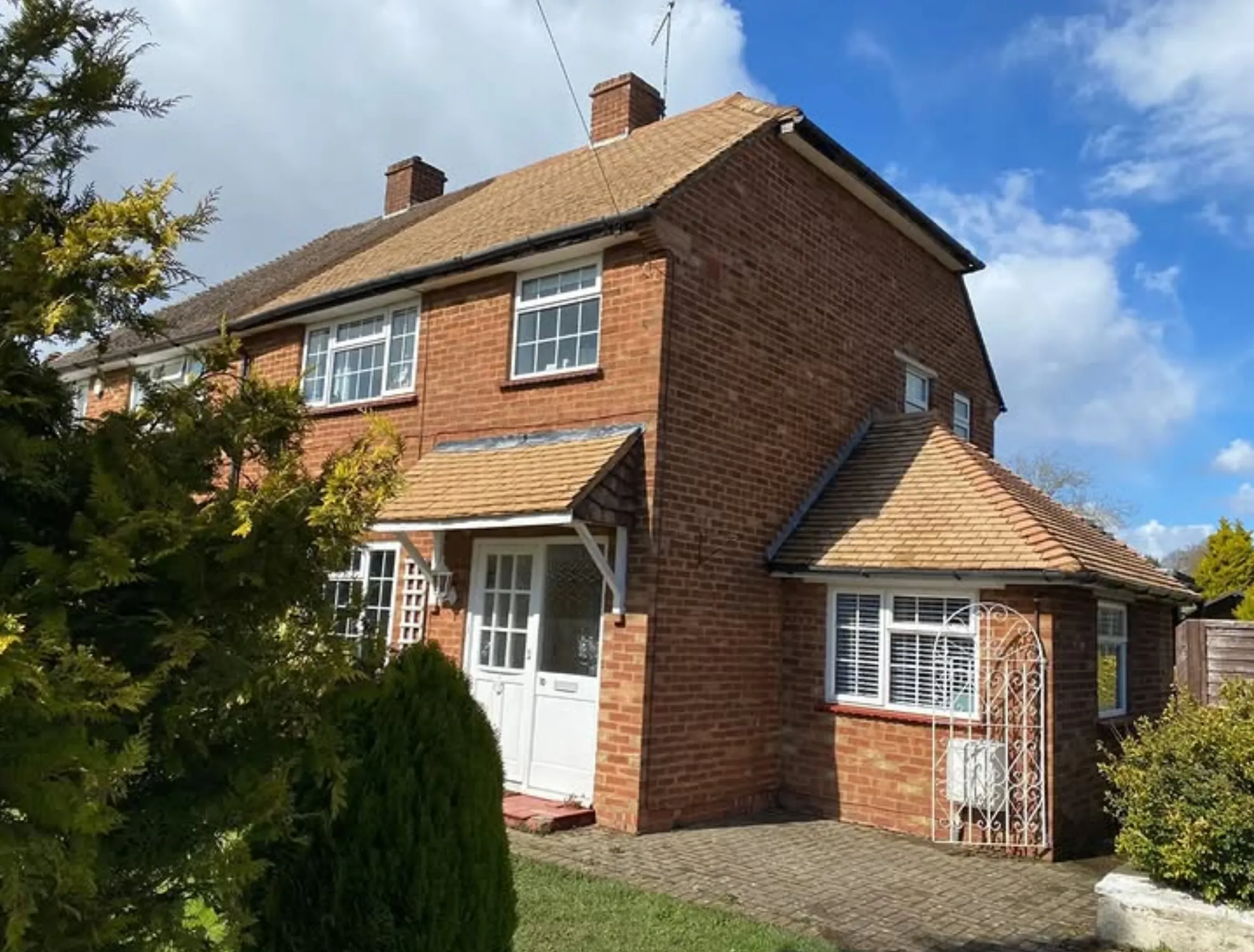
DIY roof inspections can be useful, but only from the ground. Binoculars can help you spot visible cracks or sagging gutters, but don’t even think about climbing up without safety gear on steep or mono-pitched roofs.
But a professional inspection covers so much more than just a visual check. Qualified roofing contractors use all the right gear – harnesses, moisture meters, and drone photography – to identify:
- Tiny hairline cracks in flashing or roof tiles.
- Hidden leaks are sneaking past fascia boards or soffits.
- Sealant that has started to deteriorate around vents and skylights.
- Roof slope issues, which can cause water to run off your roof unevenly.
A Frequency Guide:
- Residential roofs in Melbourne: You should get an inspection done every 12–18 months.
- Commercial roofs or flat roofs: You should get an inspection done every 6–12 months.
- After a major storm: Get an inspection done straight away – it’s better to be safe than sorry.
FAQ
What Part Of A Roof Fails First?
In most cases, the roof valleys, flashing strips, and penetrations tend to fail first, because they deal with the most water flow and expansion stress.
How Often Should I Get My Roof Inspected?
In Melbourne, at least once a year – and again after any major storm or the slightest sign of water damage.
What Causes Moisture Damage In A Colorbond Roof?
It’s usually blocked gutters, sealants that have started to deteriorate, and corrosion near flashing that lets moisture seep in.
Is It Safe To Do DIY Roof Repairs?
Minor gutter cleaning is fine, but for more extensive tasks, such as fixing flashing or ridge tiles, leave it to licensed roofing contractors for safety and warranty reasons.
Can Small Leaks Cause Structural Damage?
Absolutely – even a slow leak can weaken structural joints, foster the growth of mould, and compromise your insulation, all leading to costly repairs down the line.