
What Locals Don’t Tell You About Victoria’s Coast
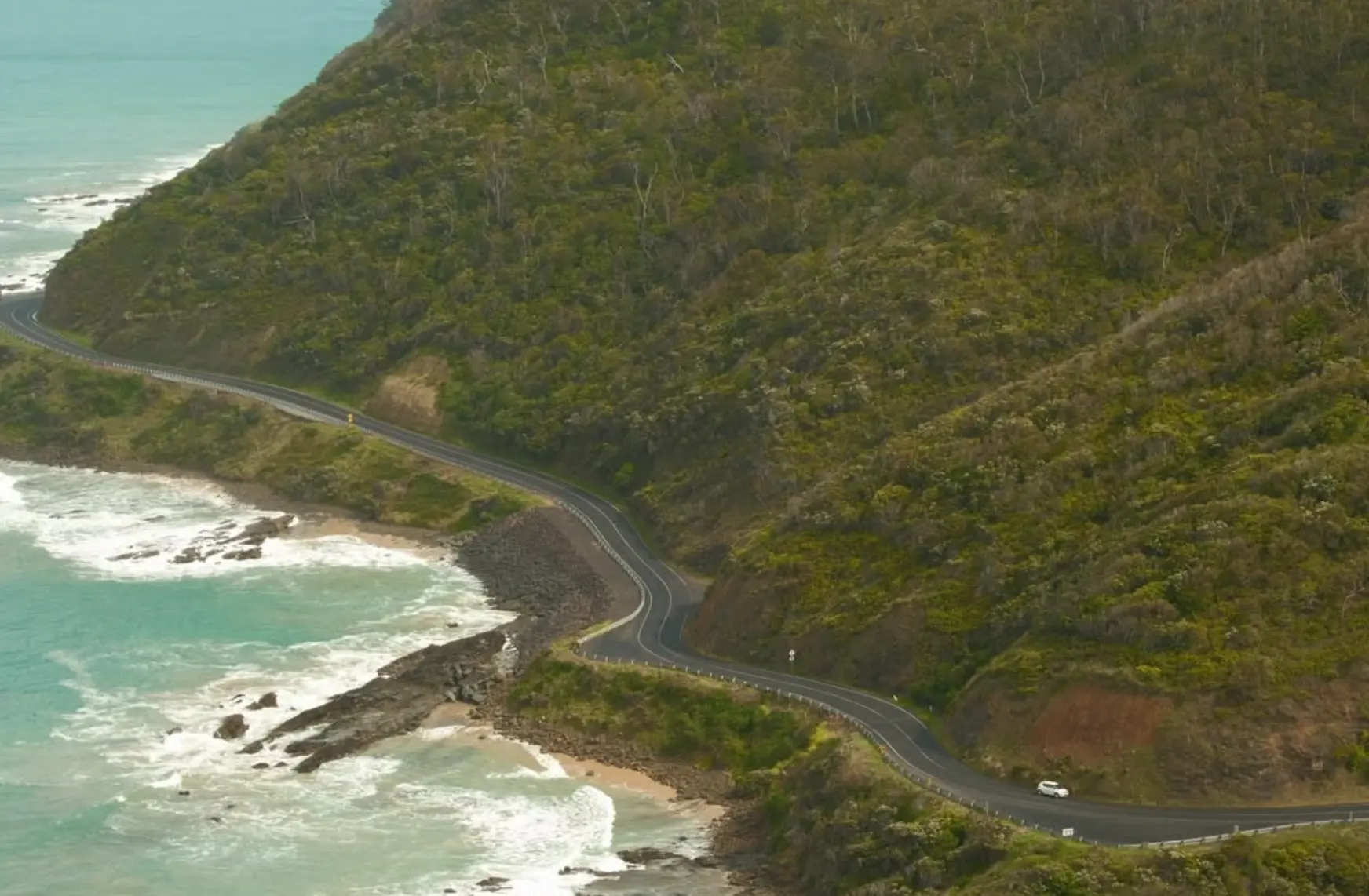
Tourism campaigns love their slow-mo drone shots, but they don’t show the crawl of campervans and buses that turn the road into a car park every long weekend. Ask around and you’ll find plenty of seasoned road-trippers — especially Queenslanders and Western Australians — who compare it to their own coastal routes and quietly wonder what all the fuss is about.
For context: around 5.4 million people visit the Great Ocean Road region each year (Tourism Research Australia, 2024). Half are Victorians, and the other half are interstate or international visitors. That’s more people than the population of Sydney, squeezing through one coastal corridor every 12 months.
| Visitor Segment | Percentage | Average Stay | Typical Spend (AUD) |
|---|---|---|---|
| Victorians | 51% | 1–2 days | $320 |
| Interstate Travellers | 29% | 3–4 days | $650 |
| International Visitors | 20% | 2–3 days | $740 |
These numbers show why some out-of-towners think it’s more of a day-tripper’s playground than an epic road trip. Locals can pop down for the weekend. The rest of us spend big on fuel, food and accommodation — often for a drive that’s shorter than expected.
If you’re booking with Great Ocean Road Tours, you’ll find they make it easy to plan stops and avoid the chaos of the midday traffic. A Great Ocean Road Tour can help you time your trip for the best light, the best coffee stops and fewer queues.
The Scenery Still Slaps — But It’s Not All Instagram Gold
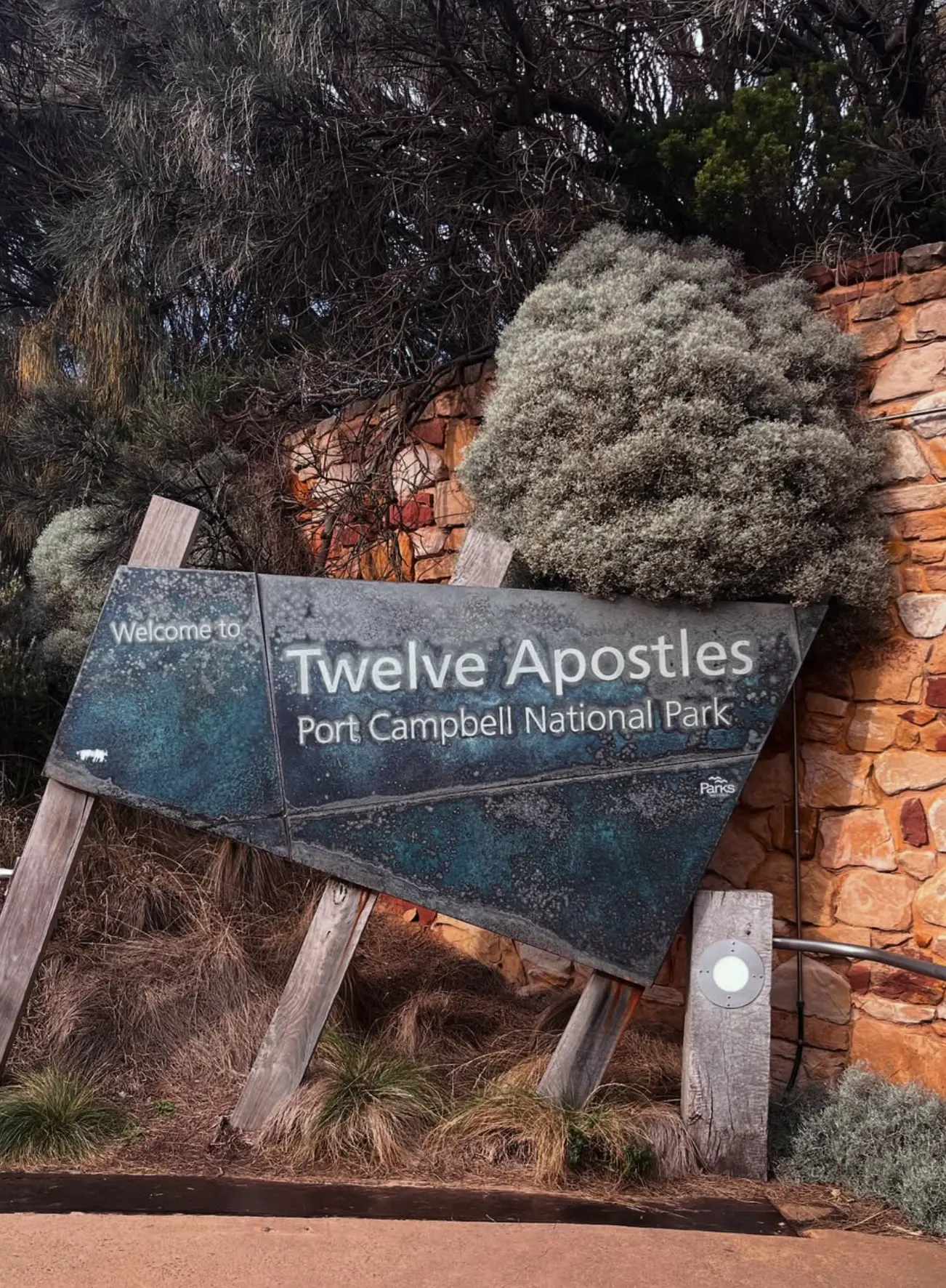
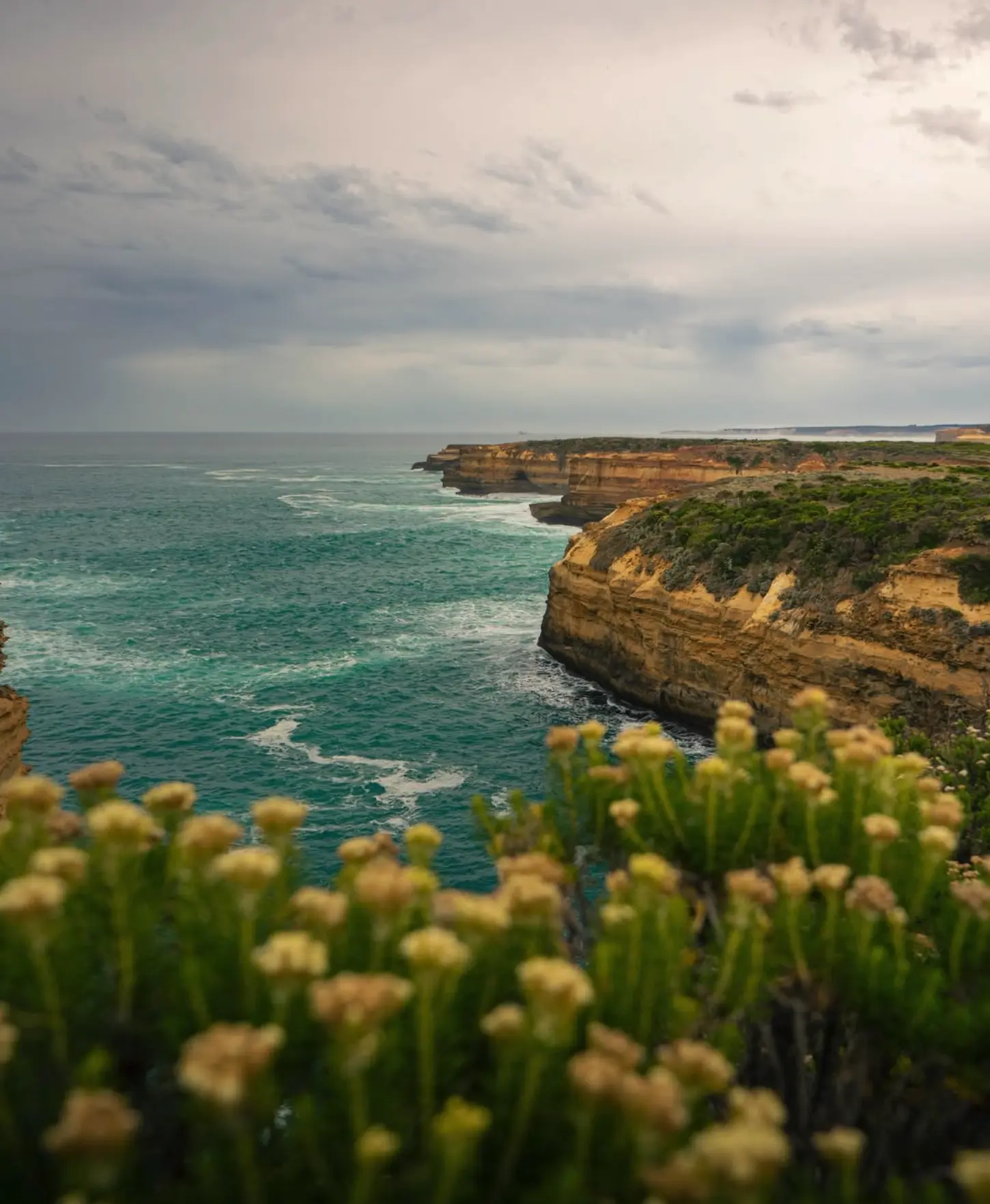
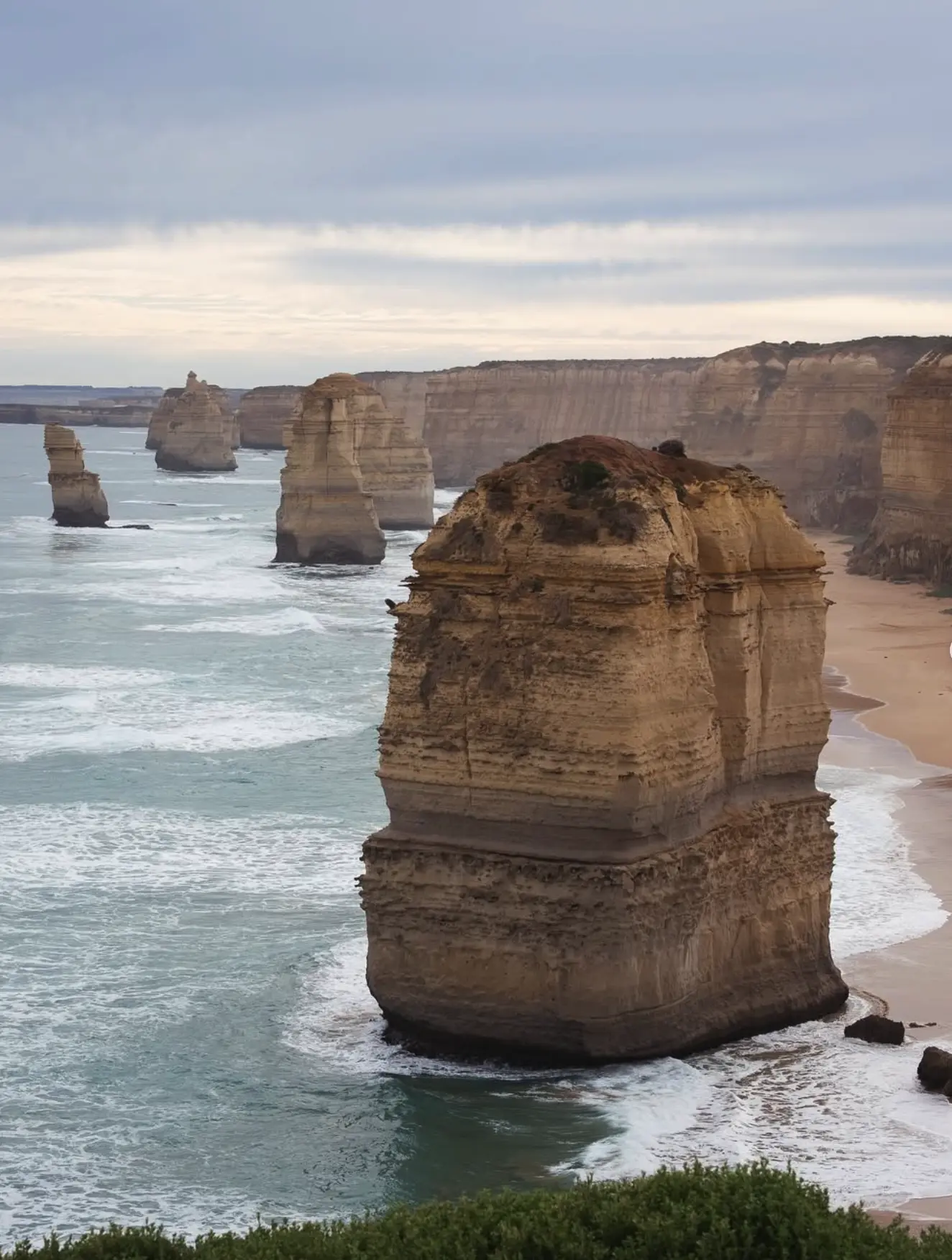
Don’t get me wrong — the cliffs near Port Campbell, the surf breaks at Bells, and the Twelve Apostles at sunset are still world-class. But you’ll share them with hundreds of selfie sticks, a safari bus or two and day tours that start before sunrise.
The truth is, the Great Ocean Road is a “soft adventure”. You don’t need a 4WD, there’s reception most of the way and the cafes take cards. It’s beautiful, but it’s polished. Travellers who’ve slogged it through the Gibb River Road or Kakadu’s floodplains often find the whole thing a bit… civilised.
That doesn’t mean it’s not worth it. It just depends on what kind of trip you want:
Chasing solitude? You’ll find better luck in winter when the winds are fierce and the crowds thin out.
Hunting beaches? Skip Torquay and Lorne — go further west to Johanna or Princetown near the river mouth and sand banks.
After a roadie with fewer buses? Try a self-drive tour through the Australian countryside or the Great Alpine Road instead.
Many visitors book a Great Ocean Road Tour for convenience and then add a few extra nights of their own exploring. It’s the best of both worlds — local insight from guides and the freedom to explore independently.
What Non-Victorians Really Think
After talking to dozens of people on our Great Ocean Road Tour Australia (and a few at random roadhouses), a few things always come up.
1. The scenery’s great, but it’s short.
New South Welshmen and Queenslanders often expect a multi-day road trip like their own Pacific Coast drives. The Great Ocean Road is only 243 km from Torquay to Allansford. Most can do it in a day, two if they stop often.
2. It feels commercial.
Non-Victorians used to rugged roadhouses and quiet bays often mention the boutique cafes, wineries and accommodation as feeling “curated”. That’s not bad – it’s just different from outback-style road tripping.
3. The weather’s a lottery.
Victorians know four seasons in a day isn’t a joke. Sydney-siders often get caught out in sideways rain in January. Bring layers. Always.
4. Parking and prices sting.
Paid parking near the Apostles, car rental surcharges and inflated fuel prices in small towns like Lorne and Apollo Bay can catch non-Victorians out.
5. It’s better done slowly.
Almost everyone agrees: when you stay overnight in small coastal towns, visit local attractions, walk the rainforest trails, and actually talk to locals at the visitor centre, the drive delivers.
Alternatives That Win Over the Sceptics
If you’ve done the Great Ocean Road once and want something new next time, there are plenty of routes that rival or beat it for natural drama and fewer crowds.
| Alternative Route | State | Distance | Highlights | Ideal Time |
|---|---|---|---|---|
| Great Alpine Road | VIC | 308 km | High Country villages, snow gums, wineries | Oct–Apr |
| Eyre Peninsula Coastal Route | SA | 720 km | Clifftop drives, seafood towns, wild camping | Mar–Nov |
| Pacific Coast Way | QLD–NSW | 1000+ km | Beaches, rainforests, surf towns | Year-round |
| Western Explorer | TAS | 170 km | Tarkine wilderness, gravel tracks, pure isolation | Dec–Mar |
For many of us who’ve grown up outside Victoria, some of these alternative options have a feel of the classic Aussie road trip – fewer tour buses, the chance to pull over and put the kettle on, and camp out under the stars. And let’s be honest, camping on the coast of Australia has this wonderful quality of hearing the surf crash, without some neighbour blasting their music just a couple of metres away from your tent.
If you’ve already been on one of those Great Ocean Road Tours, then you know the deal – but try exploring these lesser-known coastal routes next. You’ll find that they’re a lot less crowded and have heaps of stories to take back home.
When Victoria’s Coast is at its Most Magical
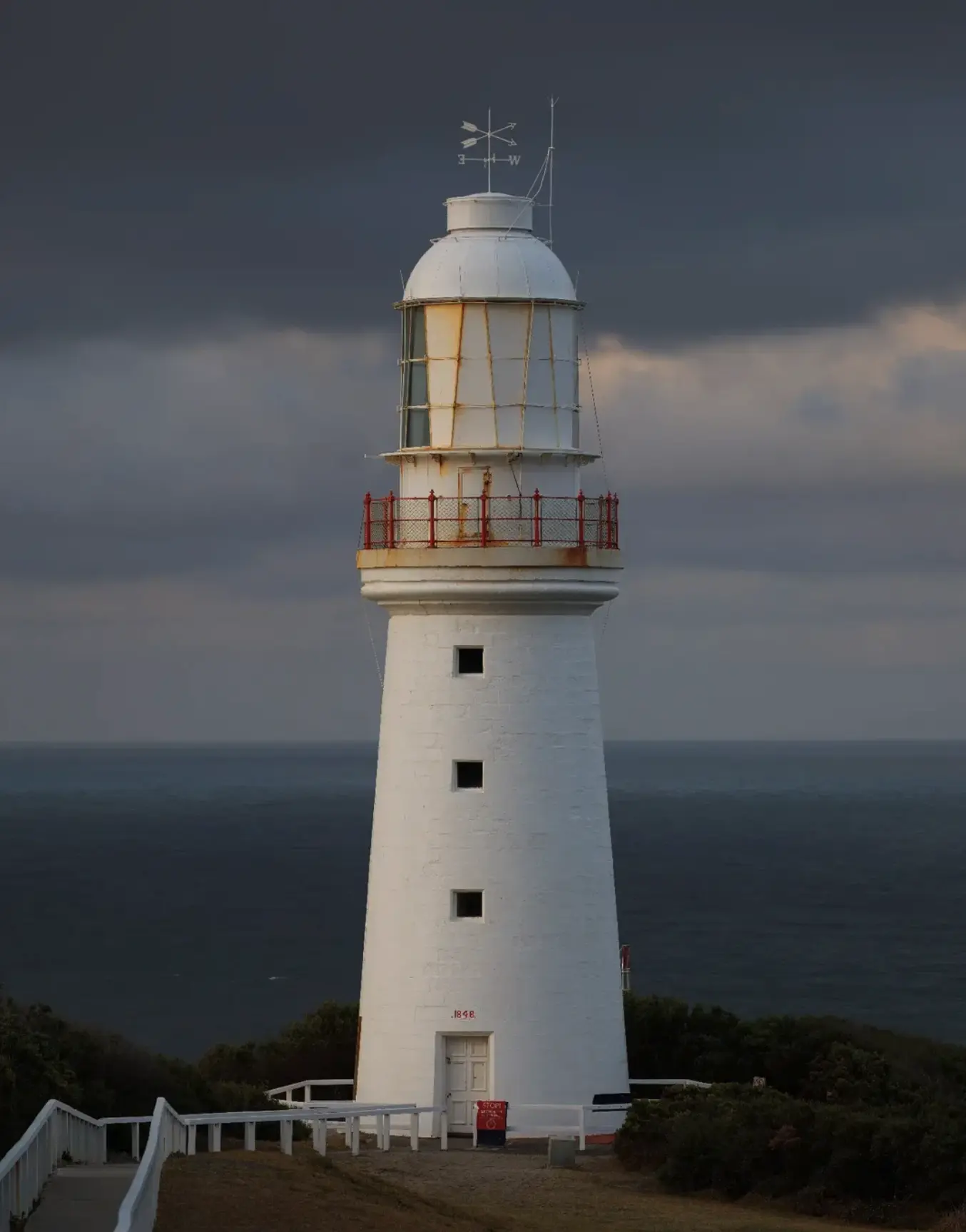
To be honest, if you do expect some kind of untouched frontier, then you might be a bit disappointed. But there are times when this drive is genuinely magic. Late May to early September, then the whales start to migrate in at Warrnambool, and early morning at Cape Otway Lighthouse can be like stepping into a fairytale – the forest is all misty and it’s like nothing you’ve ever seen before.
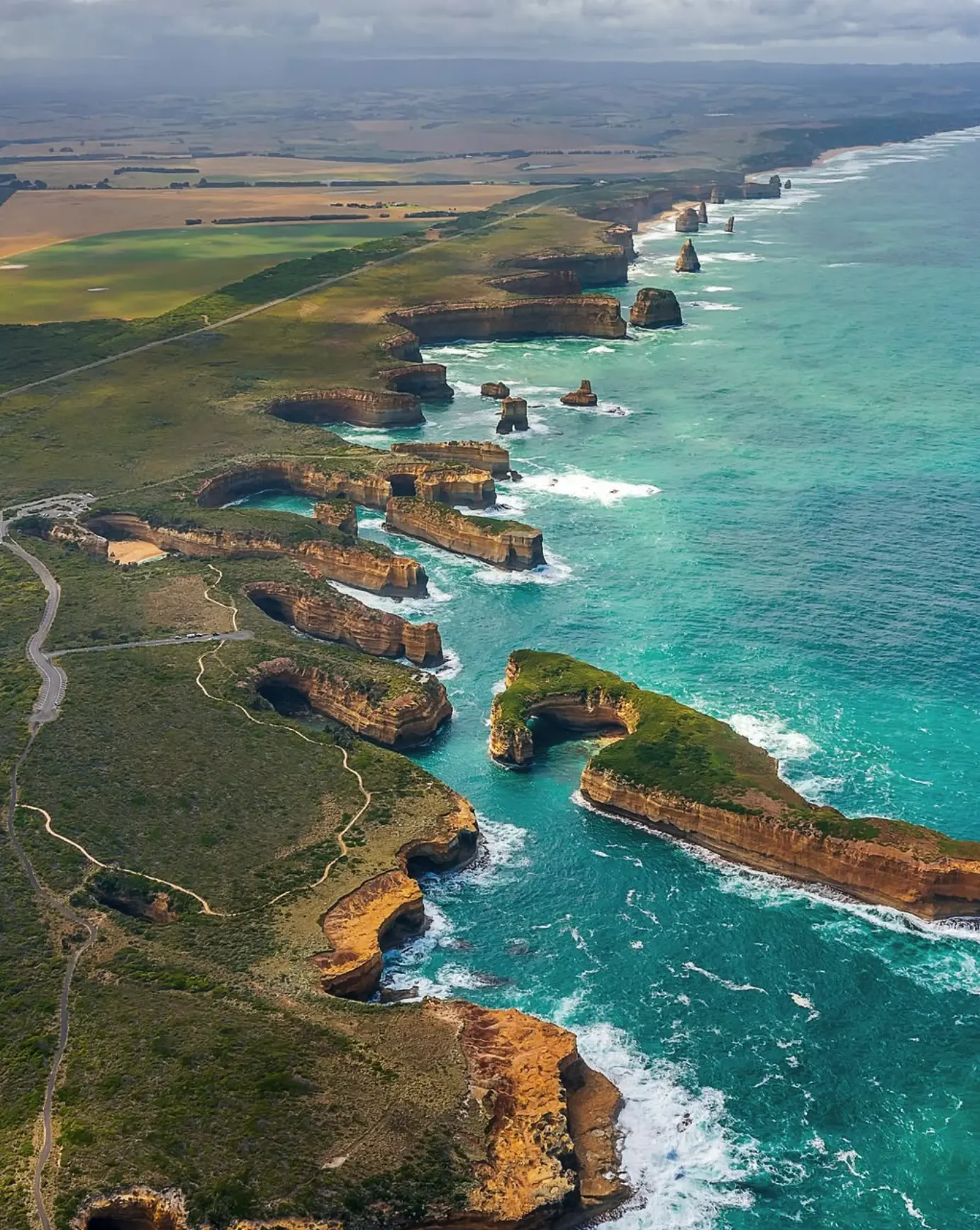
One tip is to start in Warrnambool and head east. That way, you’ll be driving with the ocean on your side of the road and get a lot clearer views. Plus, if you do the drive mid-week and it’s outside of the school holidays or the peak fire season, then it’ll be a lot quieter than normal.
If you give yourself a bit of time – say 3 or 4 days to really take in the sights – like visiting the Otway Fly, the viewing deck at the Twelve Apostles or Triplet Falls, then you’re more likely to come away a fan. Or if you really want to see this place from the air, then you can book a helicopter flight over the Apostles for a completely different perspective.
And if you’d rather not drive, you can always book a guided tour with Great Ocean Road Tours and let the experts take the wheel. They’ll give you the whole history and background of the place, and you can just sit back and take in the views.
How Trains and Buses Can Help You See the Coast
Not everyone wants to be driving—and that’s okay. Some visitors just get on a V/Line train from Melbourne to Geelong, then get a local bus or take a tour service that takes them along the coast. It’s a lot slower, but it means you don’t have to worry about traffic, and it can be a lot less stressful, especially for people visiting from overseas who haven’t a clue about driving in Australia.
If you want to have a bit of independence but don’t have a car, then getting a vehicle from Avalon Airport or Melbourne makes it easy to plan your own self-drive tour and stop wherever you want along the way.
Whether you take the train, a bus or drive yourself, then a Great Ocean Road Tour adds a whole other dimension – with experts who know all the hidden lookouts, the local legends and the best photo stops to pull over at.
My 10 Year Take on Tourists Rushing Through
I’ve been running tours along this coast since before the days of smartphones pretty much made map-reading a thing of the past – and here’s the brutal truth: the Great Ocean Road isn’t overhyped – it’s just being misunderstood by too many people.
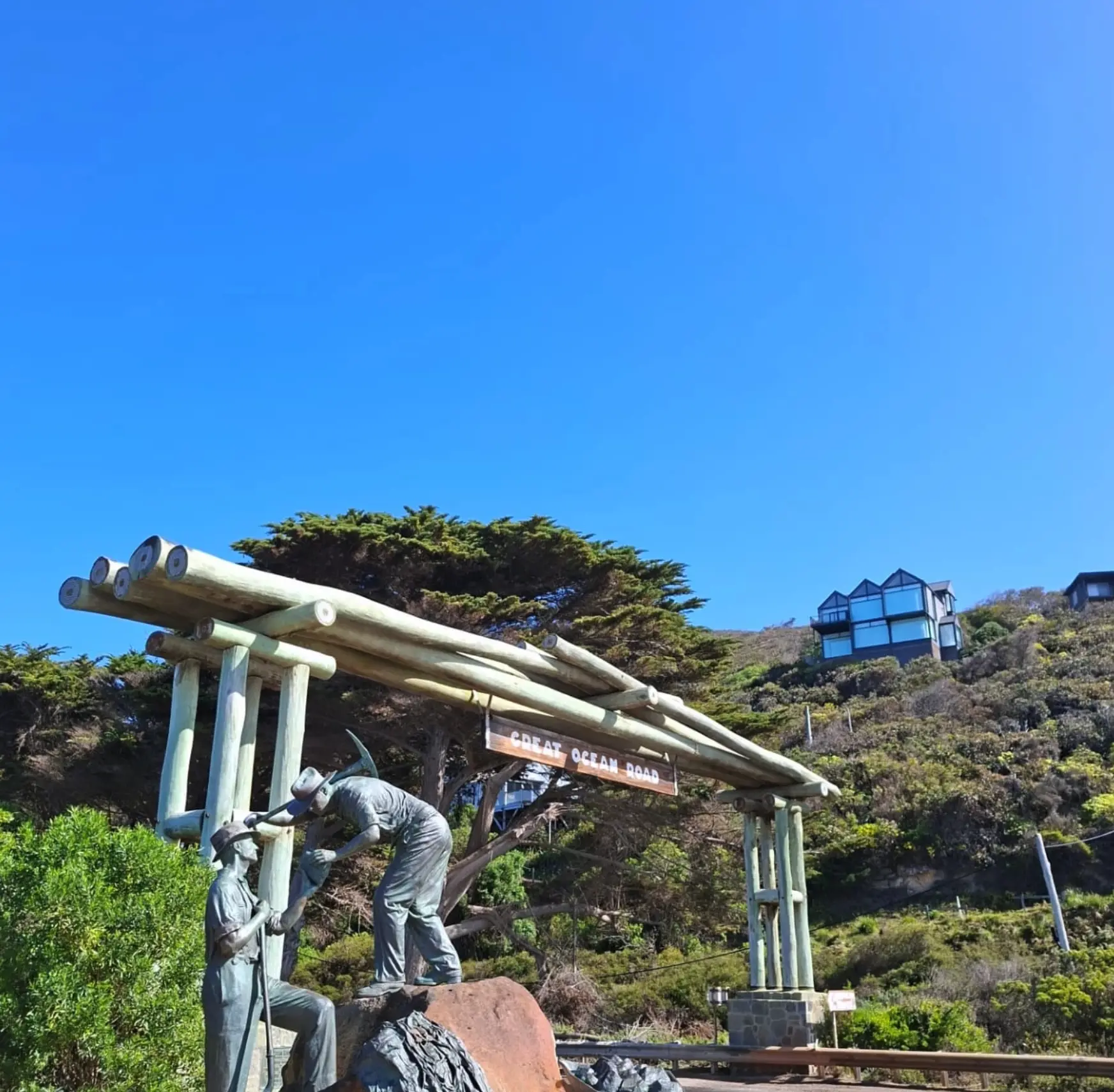
If you’re expecting the wilds of the outback, then yeah, you might be a bit let down. But approach it from a different angle. Think about the guys who built this road after WWI – the fact that it was carved into those cliffs by hand – and every twist and turn still makes me feel like I’m paying tribute to that effort.
The issue isn’t the road itself – it’s the speed at which everyone rushes past it. You’re only going to get the full story if you take your time and let it slow down. As I’ve mentioned on my blog before, if you want to see what this place is all about, slow travel is the way to go—not just another quick selfie stop.
Next time you’re down this way, think about going through Great Ocean Road Tours, and they’ll give you the space to really take it in. Their tour plans let you focus on what matters – the journey, not just the end point.
A Quick Word of Warning Before You Set Off
- Drive from west to east for the best views.
- Hit the road early – the big tour buses start rolling around 9 am.
- Bring a snack or two – those small-town bakeries sell out by lunchtime.
- If you can, stay a night in either Apollo Bay or Port Campbell to catch at least some of the sunrise and sunset light.
- Don’t be a tourist – respect the animals – kangaroos and koalas aren’t there for the sake of a decent selfie.
- Check the weather forecast during fire season – it’s a big road and you don’t want to get caught out.
- And if all the hassle of planning it all out is too much, then book a Great Ocean Road Tour and let someone else sort out the details while you soak up the views.
Final Thoughts — Is It Overrated?
Truth is, it depends on who you ask and how you travel. For Victorians, it’s their backyard — a quick weekend with beaches and bakeries. For the rest of us, it can feel too busy and too curated unless you approach it with the right mindset.
My advice? Take the hype with a grain of salt. Go mid-week, take the side roads and listen to the wind howling off those limestone cliffs. There’s still magic in it — you just have to avoid the queues to find it.
Got your own opinion on the Great Ocean Road? Leave a comment — I love to hear how other travellers see it.
FAQ
How long does it take to drive the Great Ocean Road?
The whole thing is 243km. Without stops, it’s about 4½ hours. Most people take 2-3 days to do it properly.
When’s the best time to visit?
Late autumn and winter (May-September) have fewer crowds and whales offshore. Summer’s busy with higher prices and packed lookouts.
Is it safe to drive in winter?
Yes, but expect slippery roads and fog in the Otways. Pack warm clothes and check road closures during heavy rain.
Are the Twelve Apostles worth seeing?
Absolutely — but expect crowds. Go early morning or at dusk for fewer people and better light. Don’t miss the viewing deck and visitor centre nearby.
What’s the biggest mistake first-timers make?
Trying to do it in a day. You’ll spend more time overtaking caravans than actually looking around. Stay overnight and slow down — that’s when the Great Ocean Road earns its reputation.