
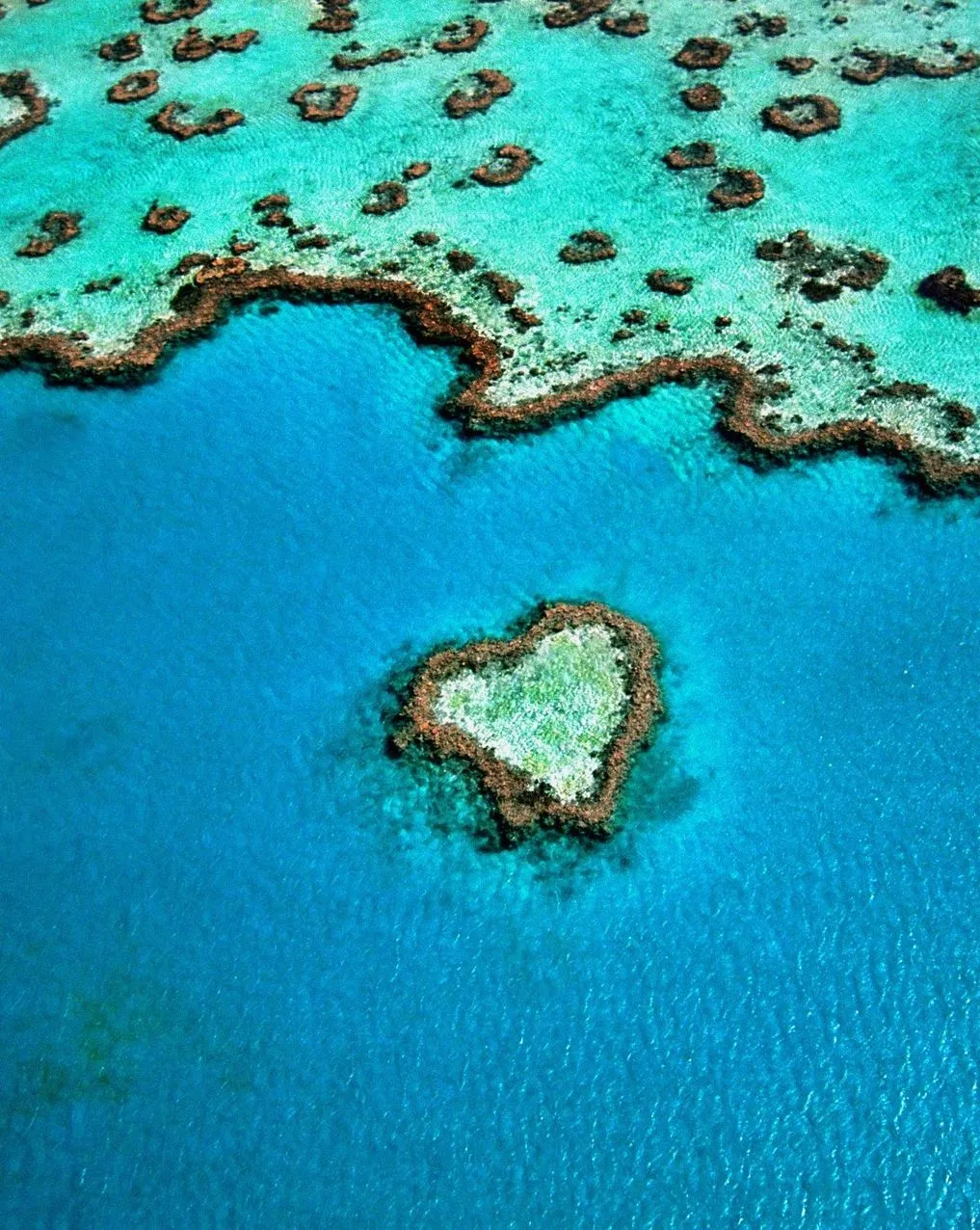
 So let’s get straight to it – What City Is The Great Barrier Reef in? I’ll tell you – the Reef isn’t in a single postcode. It’s 2,300km long along Queensland’s coast – a UNESCO World Heritage Area so big it runs from the Torres Strait down past Bundaberg, across waters managed by the Great Barrier Reef Marine Park Authority and Traditional Owner groups who’ve looked after this marine world for tens of thousands of years.
So instead of asking “What city is it in?”, the better question is “Which city gets me onto the Reef I want to see?” Because each access point – from Cairns to Airlie Beach to Townsville North Queensland – takes you to a different part of this underwater wonderland, from coral cays to Ribbon Reefs to the far-flung Outer edge reefs towards the Coral Sea.
The Real Answer: The Reef Isn’t Actually In A City
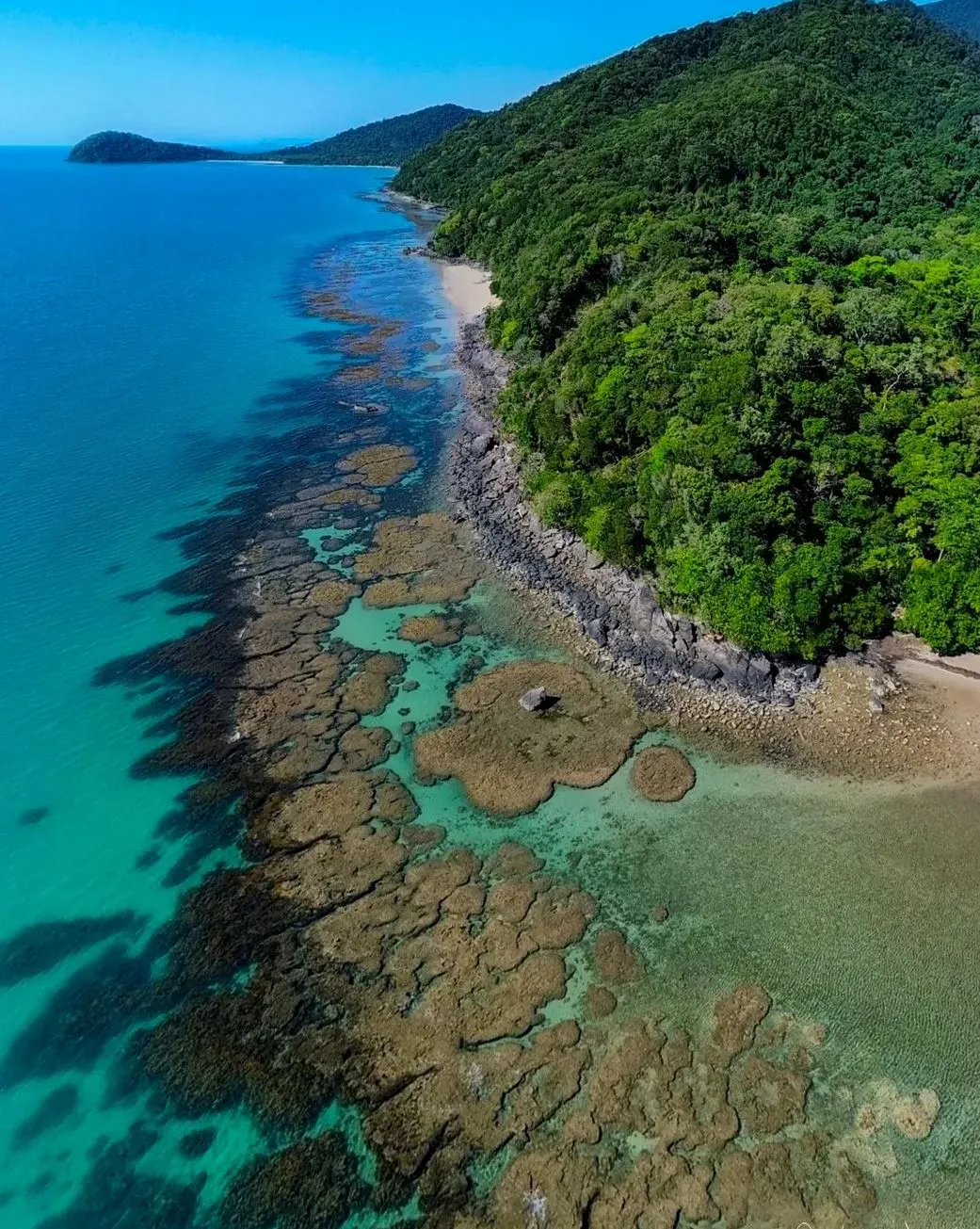
The Great Barrier Reef is bigger than most countries, and it’s not “in” Cairns, Port Douglas, Townsville or Airlie Beach. It’s out offshore – protected across marine reserves and marine protected areas, zoned carefully under the Marine Park zoning system to balance biodiversity conservation, sustainable fishing and visitor access.
The Reef includes:
- Almost 3,000 coral reefs
- Over 900 islands, including coral cays
- One of the world’s richest collections of marine wildlife
Each coastal city gets you to different parts of the Reef, each with its own vibe, reef health, crowds and marine life. The trick is choosing the one that suits you.
Top Coastal Cities for Reef Adventures in Australia
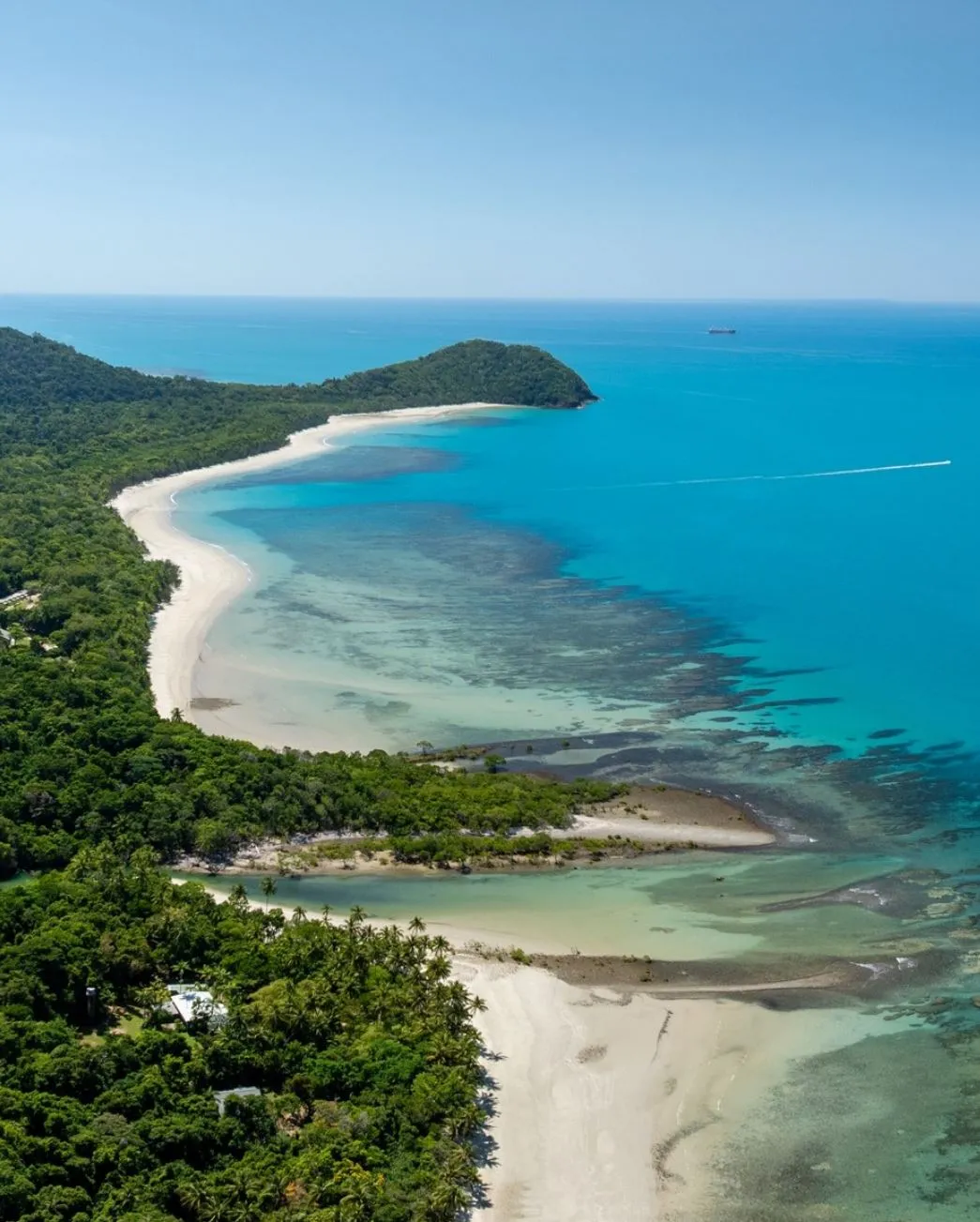
Each of these spots offers something different. Some are lively nightlife hubs, others are sleepy coastal towns where the loudest thing you’ll hear at night is a gecko clicking.
Let’s break down the best launch pads – without the brochure spin.
Cairns: The Big, Busy Reef Hub
Cairns is the busiest departure point – a proper city with Cairns International Airport funnelling travellers directly into the heart of reef country. From here, you can zip out to the Outer Great Barrier Reef, the Ribbon Reefs or take a quick hop to Green Island or Fitzroy Island.
Good if you like:
- Heaps of operator choice
- Fast boats to the outer edge reefs
- Lively marina and waterfront (Cairns Lagoon is a lifesaver on hot days)
Just remember it’s humid, especially during the wet-season buildup. And during mass bleaching events or stormy periods, visibility can drop — that’s nature doing its thing.
Pros: Reliable departures, Scuba Diving meccas, access to many coral reefs
Cons: Busy in peak season, choppy in the Wet
Many operators — including Great Barrier Reef Tours — use Cairns as their most reliable departure point because of its year-round infrastructure.
Port Douglas: The Polished, Slow Lane Alternative
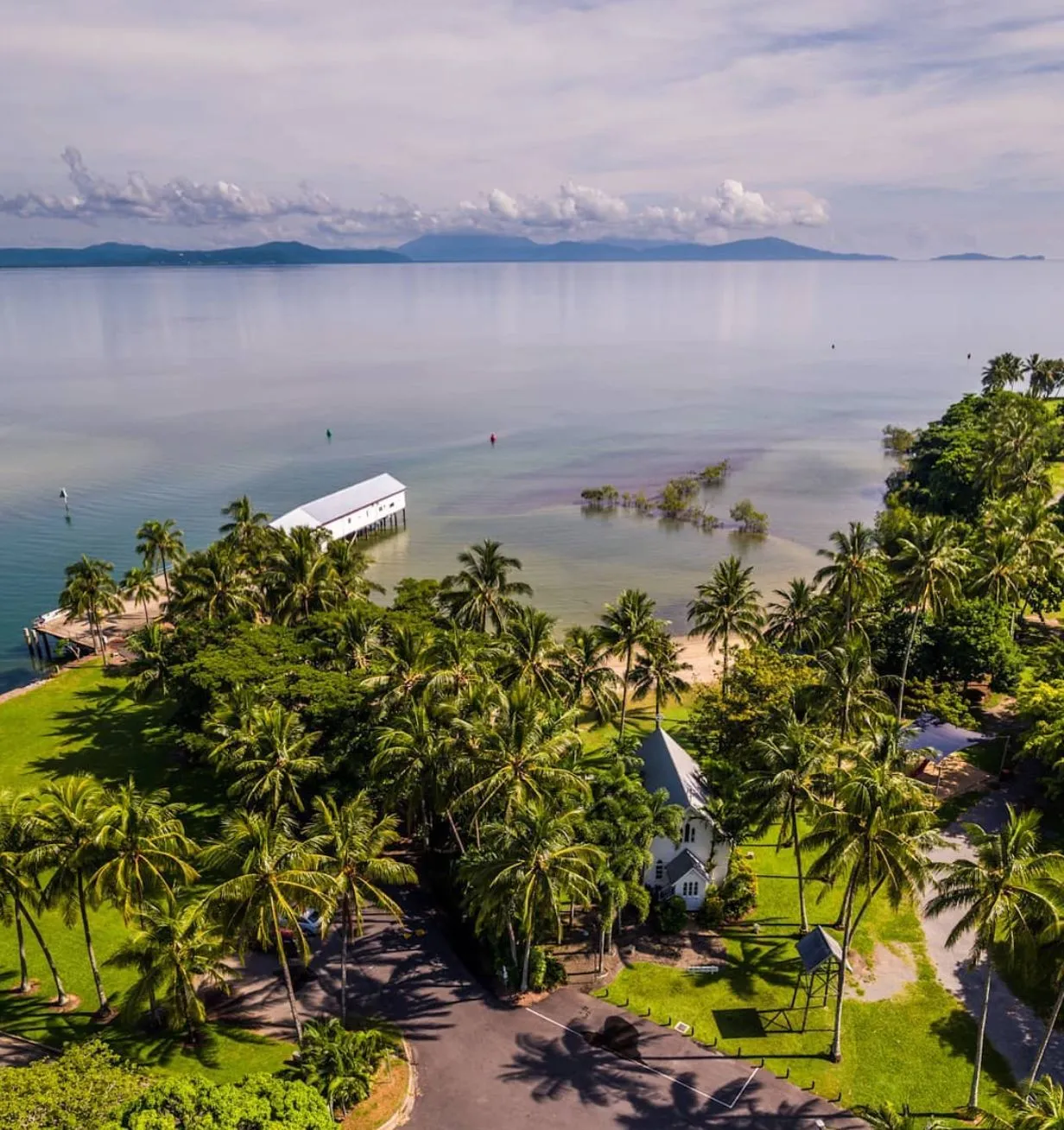
Port Douglas scoots along on the inside of the Reef and the Daintree Rainforests – not as crazy busy as Cairns, and a top pick for those looking to ease off the pace.
This one’s for you if you:
- Are after easy access to those idyllic coral cays like the Low Isles
- Want to get a feel for what life’s like at a more laid-back tempo
- Are after some calm conditions that are perfect for beginners or families
Port’s nestled near the central section of the Great Barrier Reef Marine Park – a place known for solid marine life populations and decent protection from the Marine Park Authority’s watchful eye.
Upsides: Not too hectic, Great water clarity, Beginner-friendly
Downsides: Fewer tour options, a bit pricier
Townsville: Wreck Diver’s Paradise
If Scuba Diving is your bag, Townsville North Queensland is where you want to be – especially if you’re after the legendary SS Yongala, one of the world’s best wreck dives. And, you know, it’s also the urban doorway to Hinchinbrook Island, Magnetic Island, and even some of the Australian Institute of Marine Science’s offshore research hubs.
Why the die-hards love Townsville:
- The chance to dive deeper, more adventurous reefs
- Fewer people to get in the way
- A museum where you can geek out on the underwater world
And that’s not all – you’ll also see marine wildlife like Red Bass, reef sharks and huge schools of trevally cruising around out on the outer reefs.
Upsides: Wreck diving, links to marine research, Right in the middle of the aquatic world action
Downsides: Less of an option for day trips to the outer reefs
Airlie Beach: The Whitsundays’ Secret Entrance
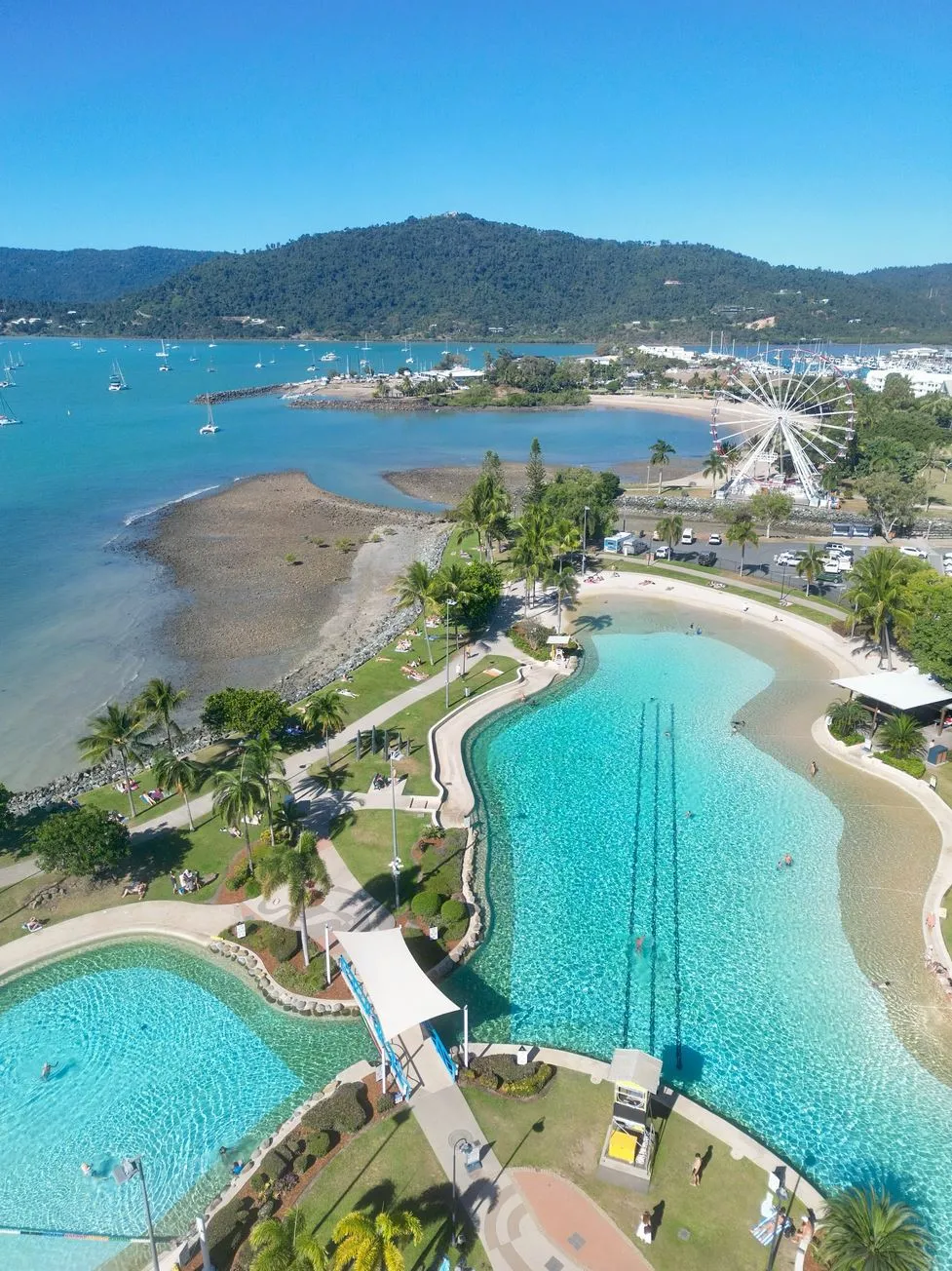
Airlie Beach is your key to the Whitsunday Islands – Hamilton Island, Whitehaven Beach, the Hill Inlet Lookout – and some of the most breathtaking coral lagoons on the southern side of the Reef. Snorkelling around here is like floating through an underwater watercolour painting – pastel-coloured coral and sea turtles hang out in the healthy patches.
Good for:
- Devotees of the sail
- People after a reef and island combo
- Anyone after a bit of relaxed adventure
The sort of place is geared more towards gentle coral cays, pretty lagoons and family-friendly snorkelling spots rather than the super-scary stuff on the outside reef walls.
The Pros: Lots of sailing culture, plenty of island access, scenery that’s just begging for postcards
The Cons: Lively party crowds, really popular in peak season
Bundaberg: The Southern Reef’s More Relaxed Vibe
Bundaberg is the gateway to Lady Elliot Island and Lady Musgrave Island – the crown jewels of the Southern Great Barrier Reef – and they’re right on the edge of the Coral Sea, where the water is clearer than clear.
Best for:
- If you want to snorkel in water that’s as clear as glass
- Watching sea turtles nesting and hatching
- Coral that’s been left to heal and grow without all the engine noise
If you’re after some of the best-looking coral reefs with almost zero visitor pressure, this place is your best bet.
Pros: The conditions here are generally calm, which is a great thing for conservation
Cons: Fewer people to share it with means it’s usually a bit quieter
Choose Your Launch City Based On Your Travel Style
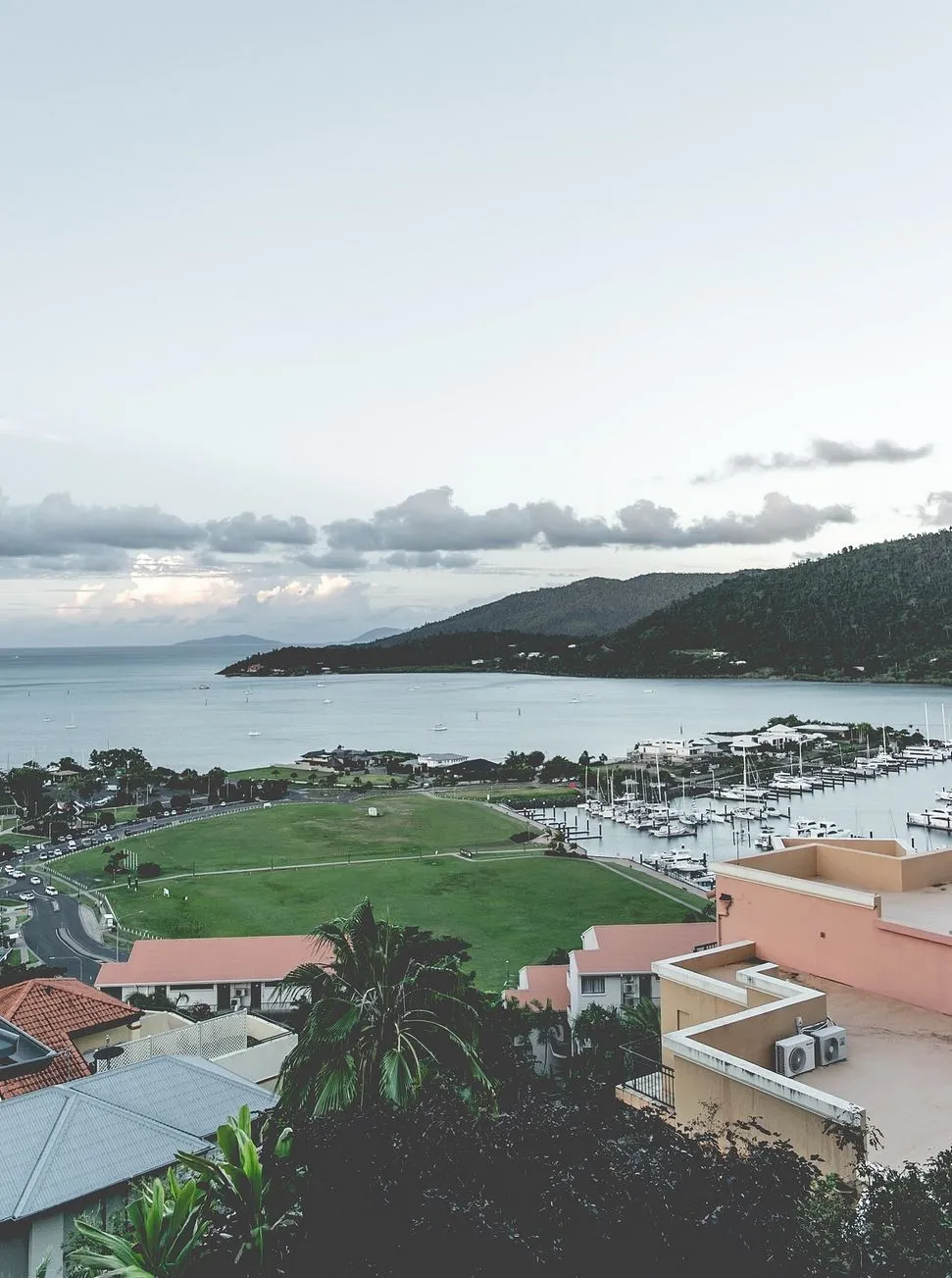
If you’re unsure where to begin, here’s a quick reference based on your vibe.
Best Reef City By Traveller Type
| Traveller Type | Best City | Why It Suits You |
|---|---|---|
| Budget Backpacker | Cairns | Cheap tours, huge range |
| Families | Port Douglas | Calm coral cays, safer waters |
| Divers | Townsville | SS Yongala, marine reserves |
| Sailors / Couples | Airlie Beach | Whitsunday Islands, Coral Sea access |
| Wildlife Lovers | Bundaberg | Turtles + Southern Great Barrier Reef clarity |
According to Queensland tourism data, over 2 million travellers visit reef regions annually, with about 40% departing from Cairns alone. That’s why the boats get busy.
Reef Seasons (So You Don’t Rock Up At The Wrong Time)
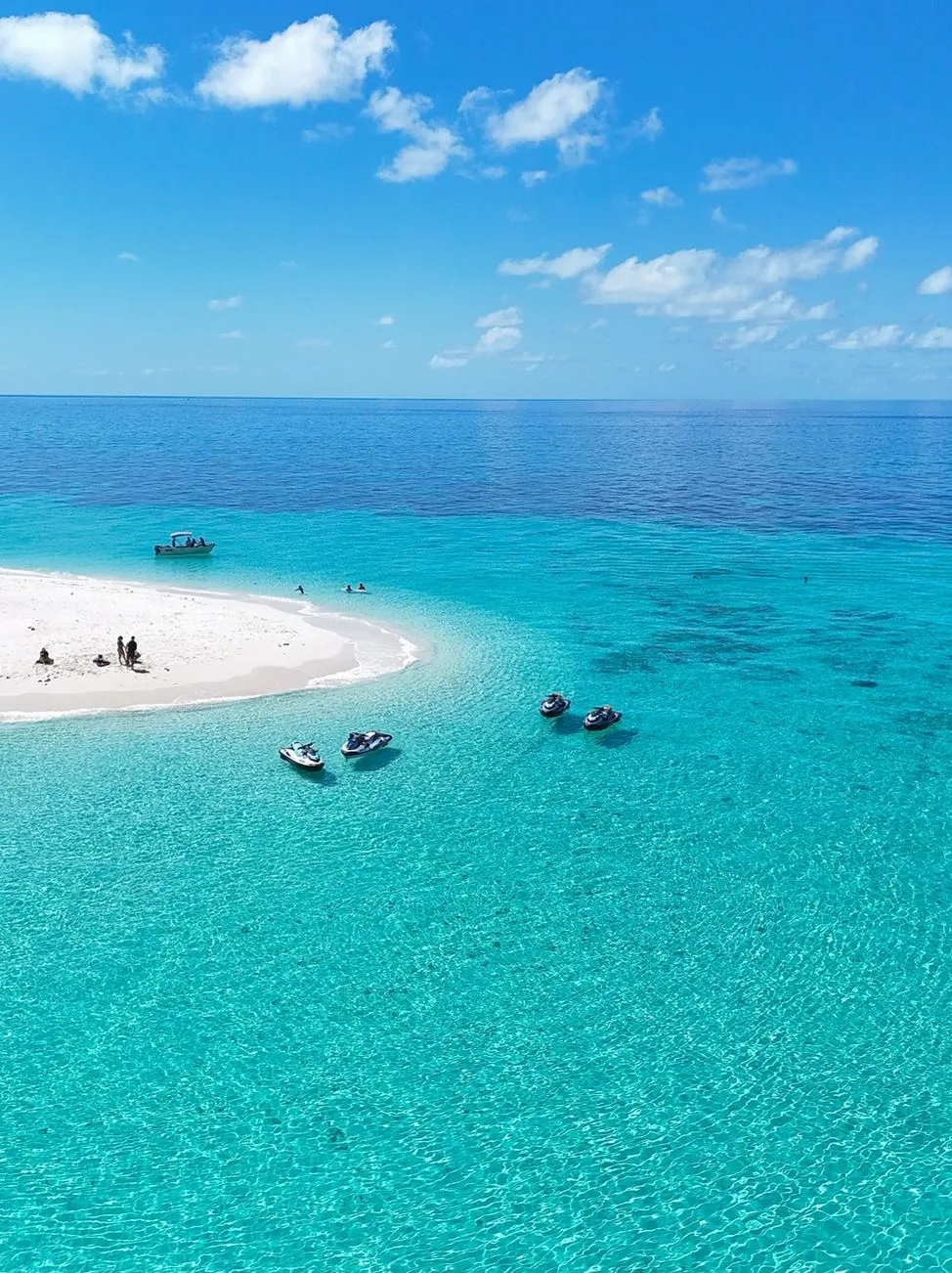
Before you start circling dates on the calendar, it’s worth knowing the Reef doesn’t play by the same rules as the southern states. Up here, seasons aren’t about four neat quarters — they’re about wind patterns, water clarity, heatwaves, stingers and the occasional tropical tantrum. Pick the right window and you’re drifting over coral gardens in postcard-blue water; pick the wrong one and you might find yourself hanging onto the rail while the Coral Sea reminds you who’s boss.
Dry Season (May–October)
This is hands-down the best time to explore the Reef — clear water, calm seas and steady weather patterns that make even nervous swimmers feel relaxed. Visibility often jumps to its highest levels, especially out on the Ribbon Reefs and outer edge reefs. You’ll also dodge the worst of the humidity, which means far fewer sweaty shirt disasters while gearing up on the deck. If you want the Reef at its most reliable, dry season’s your sweet spot.
Wet Season (November–April)
The Wet brings heavy rain, thunderstorms and that thick, sticky heat that makes your sunnies fog up the second you step outside. Water visibility can swing wildly from day to day, especially after big downpours that stir up coastal sediments and degrade water quality. Even so, many operators still run year-round, and with good planning, you can still get cracking days on the water. Just expect the Coral Sea to get a bit feisty and pack motion-sickness tablets if you’re prone to going green.
Turtle Season (Nov–March)
Around Bundaberg, Lady Elliot Island and Lady Musgrave Island, turtles nest and hatch — a proper goosebumps moment.
Whale Season (June–October)
The Whitsundays and Cairns coastline become whale highways.
A Few Local Travel Hacks
- Pick A Reef Boat Based On Distance
- If the brochure says “Outer Reef in 45 minutes,” you’re looking at a fast catamaran. If it says “Three hours each way,” prepare for a long, slow day.
- Choose Morning Trips
- Afternoons bring more wind. Choppy seas = seasick crowds.
- Wear A Rashie Instead Of Sunscreen
- It protects the reef and your back from frying like a sausage on a hot plate.
- Avoid School Holidays If You Can
- Unless you like the sound of 50 kids discovering snorkels for the first time.
- Snorkel First
- Once everyone gets back on the boat for lunch, the fish get cheeky and come closer.
My First Reef Trip: A Personal Account
My first proper trip was out of Cairns during the Wet Season – a rookie move if you ask me. The sky looked pretty good at the marina, but once we hit the Coral Sea, it turned ugly quickly. Half the boat got seasick – one bloke was claiming he was “perfectly fine” to the point where we were all a bit worried about him, while he clung to the handrails for dear life.
But then we finally reached the Reef and things started to come right. The water cleared, and the coral just lit up beneath us like a big old city down below.
I saw a Giant Maori Wrasse just cruising along, like it owned the place. A sea turtle glided by like an old mate just out for a Sunday cruise, and for a moment, floating above all those ancient coral polyps, I really felt like I had stepped into the oldest storybook you’ve ever read.
I’ve been back dozens of times, from Lizard Island down to the Southern Great Barrier Reef – and every single trip ends up proving the same thing to me: no two reef trips are ever the same.
FAQ
Which city is the closest to the Great Barrier Reef?
Cairns is basically the main entry point – but the Reef is so big (spans a massive UNESCO World Heritage Area) that “closest” depends on where you’re headed.
Which city has the clearest water?
Bundaberg and the Southern Great Barrier Reef (around Lady Elliot and Lady Musgrave) tend to have the best visibility.
Is it safe to visit the Reef during coral bleaching?
Yeah – operators are pretty good about following the rules and avoiding stressed areas.
What’s the best city for scuba diving?
Townsville for the SS Yongala, Cairns for the Ribbon Reefs or Airlie Beach for the Whitsunday drop-offs – it all depends on what you’re after.
What can I do to help protect the Reef when I visit?
Do your bit – take your plastic home, wear a reef-safe rashie, stick to the rules and don’t go in the marine park, and make sure you’re booking with operators who are actually trying to help conserve the place.